How to find the perfect wild camping pitch?

Set-up a perfect wild camping pitch: tips and tricks how to plan, find, select and set-up your wild camping location.

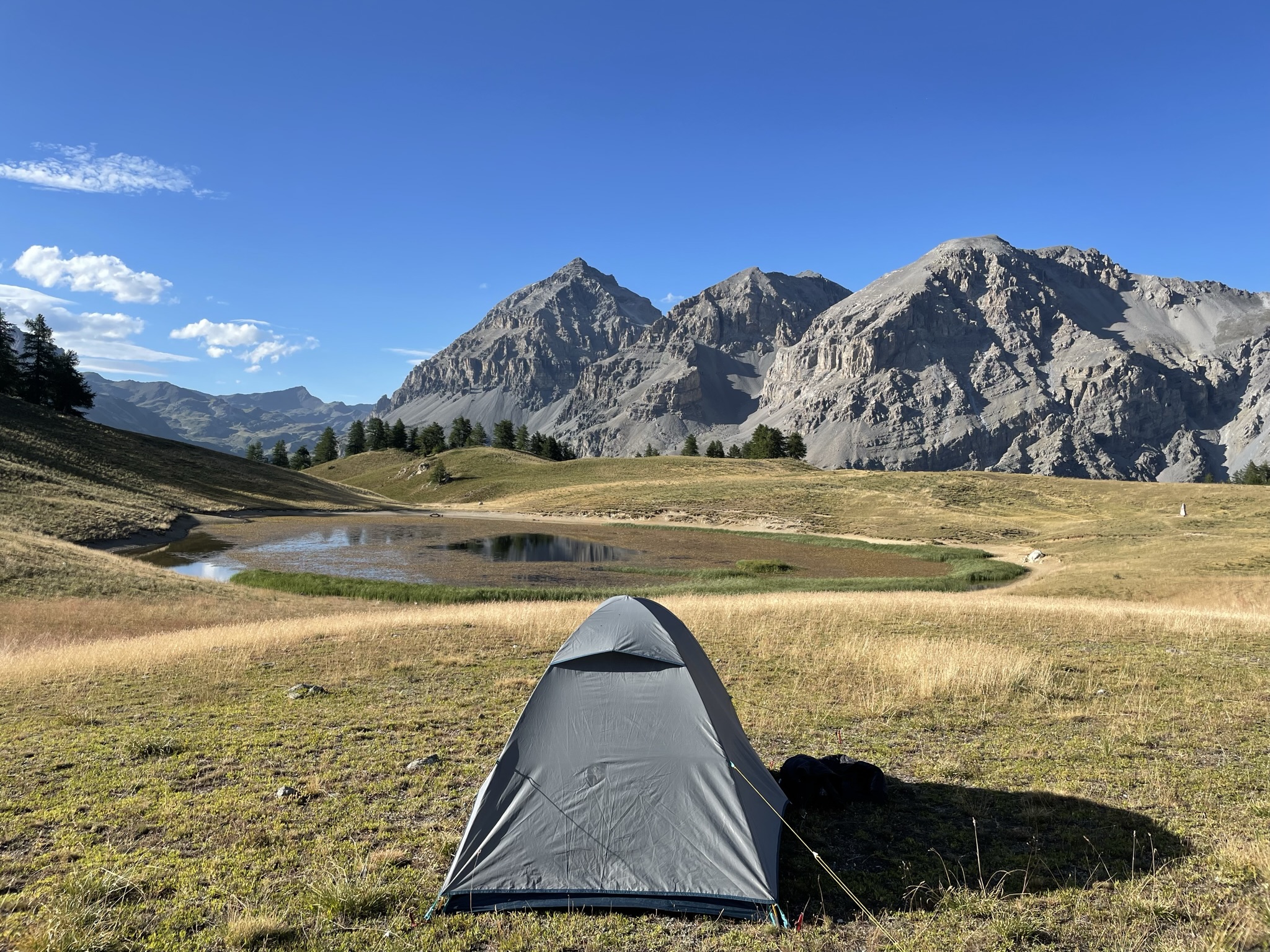
Wild camping GR5 France

Check local regulations

Before planning your trip, make sure to check if wild camping is allowed or tolerated in the region or national parks you’re visiting. Regulations can vary widely.

Great webblogs to orientate yourself:
- Hiking-trail.com

- Bergzeit


Do always check the national authorities as well for the latest updates.

Do your online research

If camping is permitted, this is how you can scout potential spots online:

  • Hiker blogs, Instagram, and YouTube: Many hikers share where they camped. Check for Facebook groups related to your trail and ask for favorite spots from other hikers.
  • FarOut Guides: Popular trails are covered here, with user comments on campgrounds and amenities.
  • Hiking maps: Apps like Maps.me and Mapy.cz sometimes mark wild camping spots.
  • Camp networks: Not exactly wild, but platforms like Welcome to My Garden and Camp in My Garden offer camping on private land.

Scout your map

Learn how to read the map’s legend and look out for:

  • Buildings and farmlands: These are often private property and off-limits for camping.
  • Elevation: In mountainous areas, find flat spots for camping. Avoid steep sections where flat ground is scarce.
  • Terrain type: Watch out for swampy or rocky areas. Camping above the treeline might offer great views, but will be exposed in storms.
  • Water sources: I need 1–1.5 liters for cooking, brushing your teeth, and breakfast. If your campsite doesn’t have water, collect some beforehand and plan ahead for the next day. Camp at least 30 meters from water sources to avoid contamination.

Select campground

  • Animal traces: Avoid areas with obvious animal tracks or droppings to keep your campsite safe and undisturbed.
  • Respect others: If someone is already camped at a spot, greet them and ask if they’re okay with company. Some hikers value solitude.
  • Durable surfaces: Pitch your tent on durable surfaces to avoid harming vegetation.
  • Wind direction: Align your tent lengthwise with the wind to reduce its impact.
  • Sunrise or sunset: Decide whether you want morning or evening sun and position your tent accordingly, if possible with the wind

Leave no trace

Take only pictures, leave only footprints. More on Leave No Trace hereFollow at least this leave no trace principles:

  • Carry a waste bag;
  • Avoid peeing or pooping near water sources;
  • Don’t wash dishes or bathe directly in streams or lakes;
  • Dig a cathole for your poop.

Prepare for your trail 

Are you preparing for your first long distance trail or want to tackle a lesser-known European thru-hike with limited hiker facilities? I’ve got you covered with blogs about my personal hiking gear essentials, my favourite (vegetarian) trail meals and different resupply strategies I used. I also share tips on finding and selecting wild camping spots, setting up your tent in different conditions and leave no trace principle.